

One of the Nation's First Cases! Successful Treatment of a Patient with Severe Tricuspid Regurgitation Using the K Clip® System at Kunshan Hospital of Traditional Chinese Medicine
Recently, the team led by Professor Pan Wen from the Department of Cardiology at Kunshan Hospital of Traditional Chinese Medicine, in collaboration with the Department of Ultrasound, Department of Anesthesiology and Catheterization Laboratory, successfully performed the K‑Clip® transcatheter tricuspid annuloplasty on a patient with severe tricuspid regurgitation. The patient’s regurgitation symptoms improved remarkably immediately after the procedure, with an excellent surgical outcome. This procedure is among the first nationwide implantations of the K‑Clip® system and the first case in Kunshan. It marks a groundbreaking breakthrough for the hospital’s Department of Cardiology in the minimally invasive interventional diagnosis and treatment of complex and severe valvular heart diseases. It further elevates the regional capacity for treating high‑risk and complex cardiovascular diseases, offering a new minimally invasive and efficient treatment option for numerous patients with severe heart conditions.

Severe tricuspid regurgitation is a clinically high‑risk and critical cardiovascular disease. It interacts reciprocally with persistent atrial fibrillation, heart failure, hypertension and other conditions, exacerbating one another to form a vicious cycle, which greatly increases the difficulty of clinical treatment. Patients with such complex cardiac conditions often suffer from intractable symptoms including progressive deterioration of cardiac function, systemic venous congestion, chest tightness, dyspnea and lower‑limb edema. Conventional medication can only relieve symptoms temporarily, failing to correct valvular lesions fundamentally or reverse structural damage to the heart. Meanwhile, affected by multiple underlying diseases, these patients have poor physical tolerance and face extremely high surgical risks. Traditional open‑chest surgery with cardiopulmonary bypass involves severe trauma and numerous complications. Most such patients are classified as high‑risk candidates for cardiac surgery, long trapped in a clinical dilemma of limited treatment options and poor prognosis.
With the iterative innovation of minimally invasive interventional cardiovascular technologies, minimally invasive treatment techniques represented by the K‑Clip® transcatheter tricuspid annuloplasty have brought a breakthrough therapeutic option for high‑risk patients with severe tricuspid regurgitation. This procedure requires neither thoracotomy nor cardiopulmonary bypass. Featuring unique advantages of minimal invasiveness, precision, safety and rapid recovery, it can effectively repair the dilated tricuspid annulus, correct severe regurgitation, fundamentally improve right ventricular function, and halt the progressive deterioration caused by multiple comorbidities.
Patient Profile
The patient is an 87‑year‑old male.
Chief Complaint: Chest tightness and shortness of breath for over 2 years, recurrent with lower‑limb edema for 1 week.
Admission Diagnoses: Traditional Chinese Medicine Diagnosis: Heart Failure, Syndrome of Yang Deficiency with Water Flooding. Western Medicine Diagnoses:1. Acute Decompensation of Chronic Heart Failure.2. New York Heart Association (NYHA) Class Ⅲ Cardiac Function.3. Severe Tricuspid Regurgitation.4. Persistent Atrial Fibrillation.5. Pleural Effusion
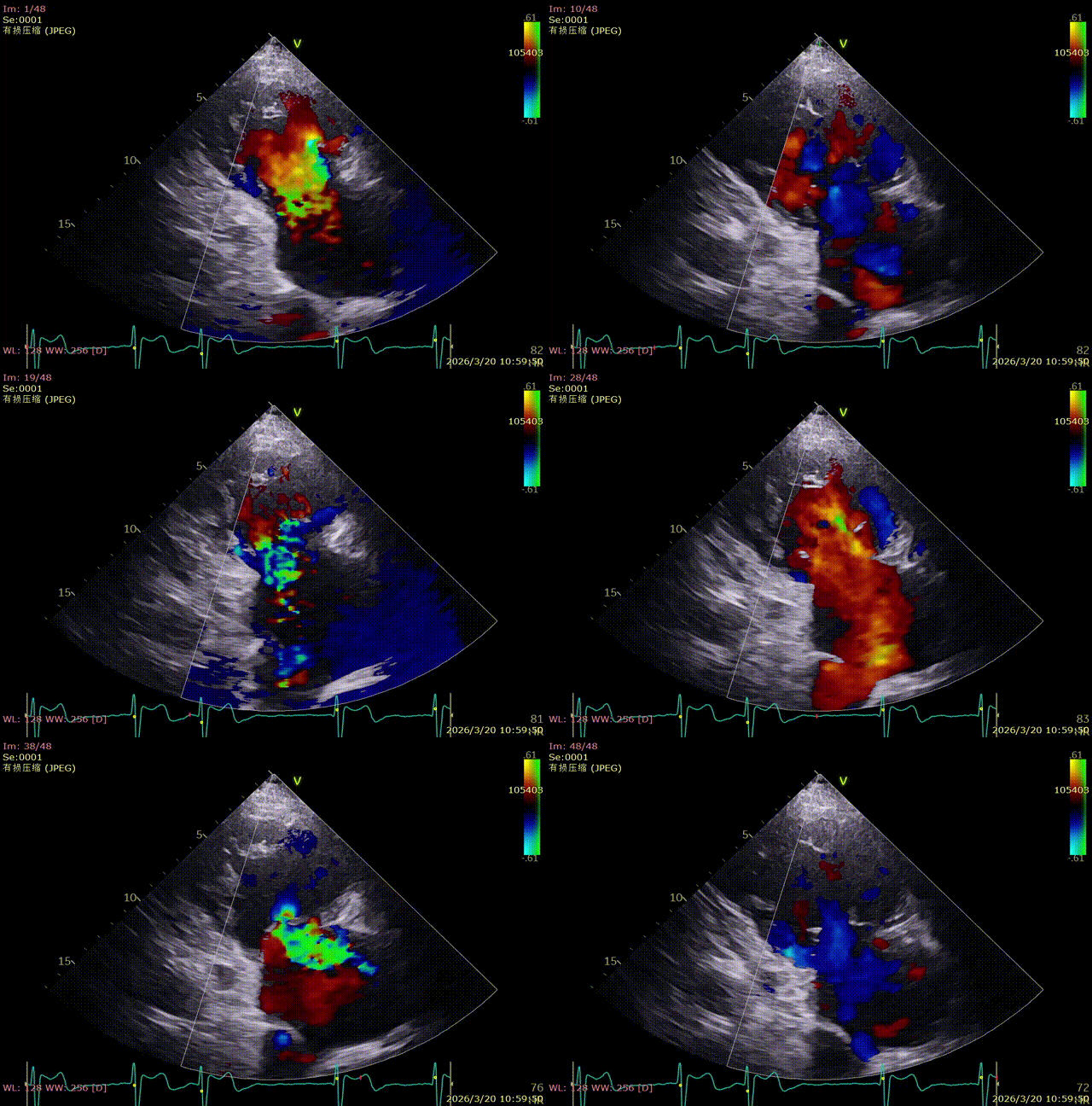
Preoperative Echocardiographic Assessment: Severe tricuspid regurgitation (TR 4+).
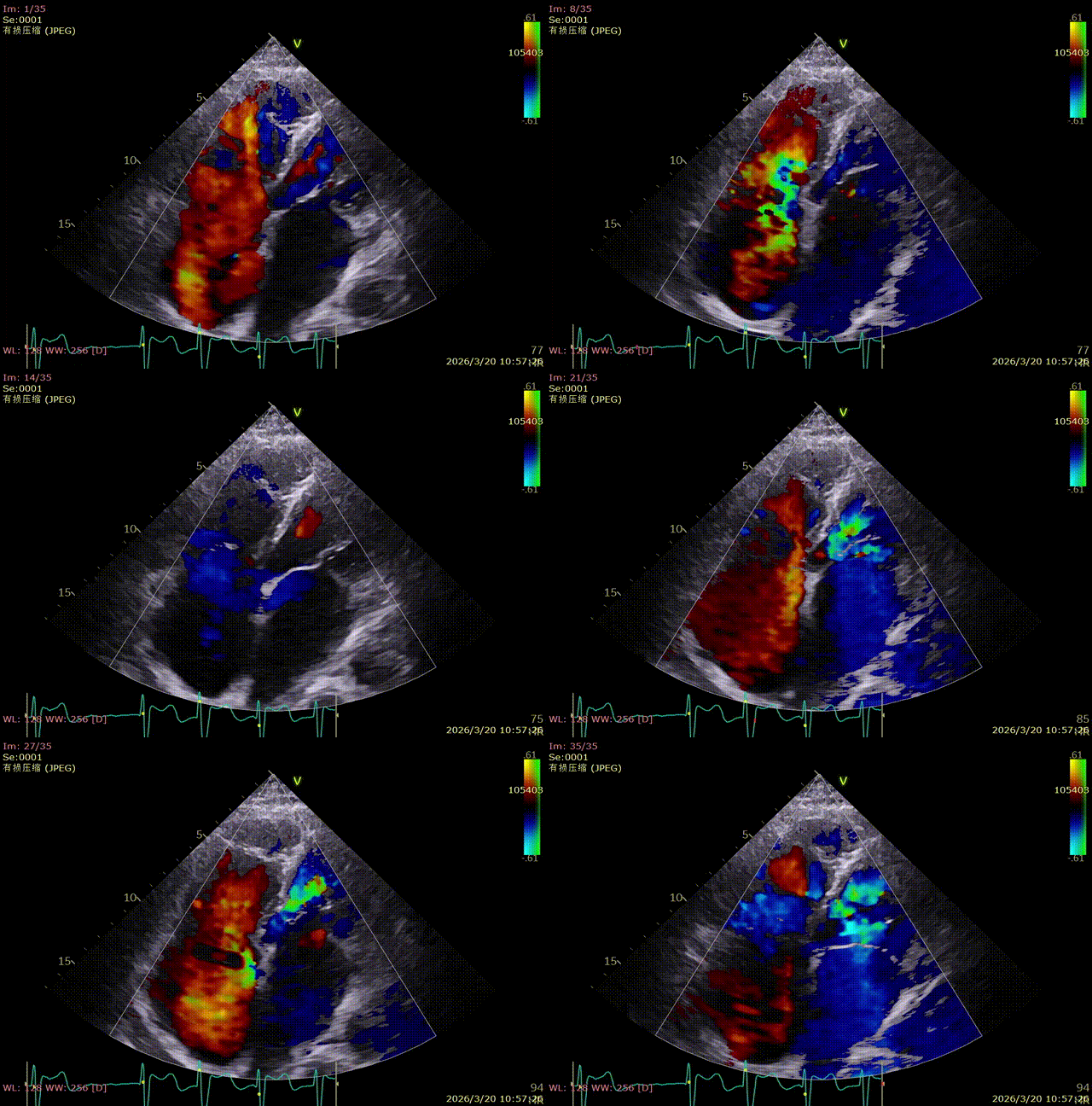
Preoperative Regurgitation (Four‑Chamber View)
Preoperative Regurgitation (Right Ventricular Inflow Tract)
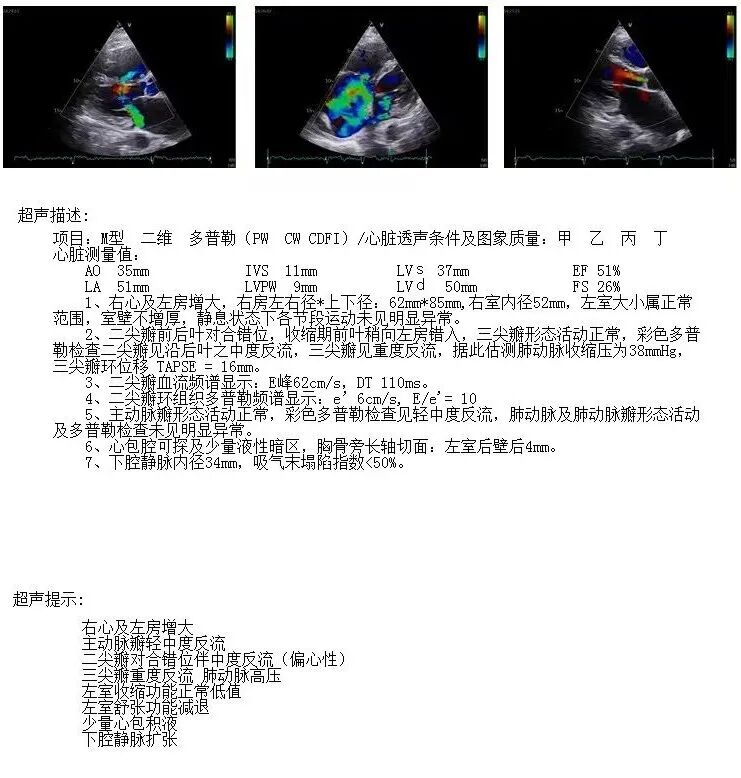
Preoperative Echocardiography Diagnosis Report:
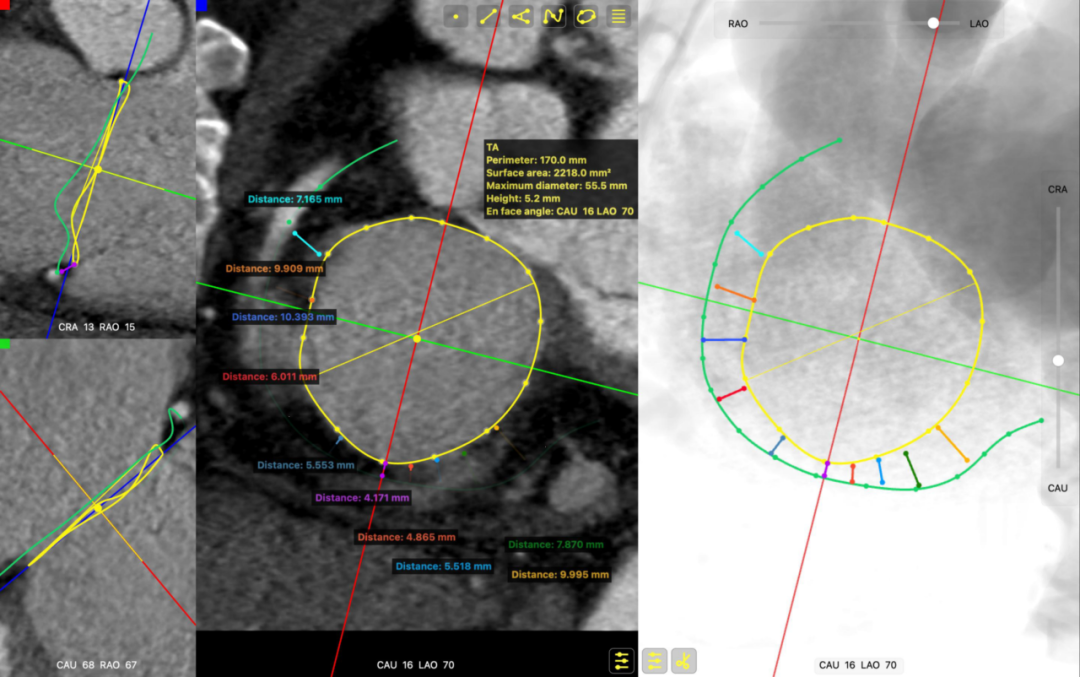
Preoperative CT Assessment: The area is 2218 mm² and the perimeter is 170 mm.
Surgical Strategy
After multi‑dimensional comprehensive evaluation by the Cardiology team of Kunshan Hospital of Traditional Chinese Medicine, combined with the patient’s tricuspid valvular lesion characteristics and anatomical structure, a precise surgical plan of dual‑clip K‑Clip® implantation was formulated to achieve optimal therapeutic outcomes. A 14T K‑Clip® device was implanted at the posterior tricuspid annulus, and another 14T K‑Clip® was deployed at the anteroposterior commissure. Through accurately positioned dual‑site implantation, this technique can effectively reduce tricuspid annulus area and improve leaflet coaptation, directly ameliorating tricuspid regurgitation from an anatomical perspective and laying a critical foundation for the patient’s postoperative recovery.
Operative Procedure
1. Pre‑operative Baseline Regurgitation
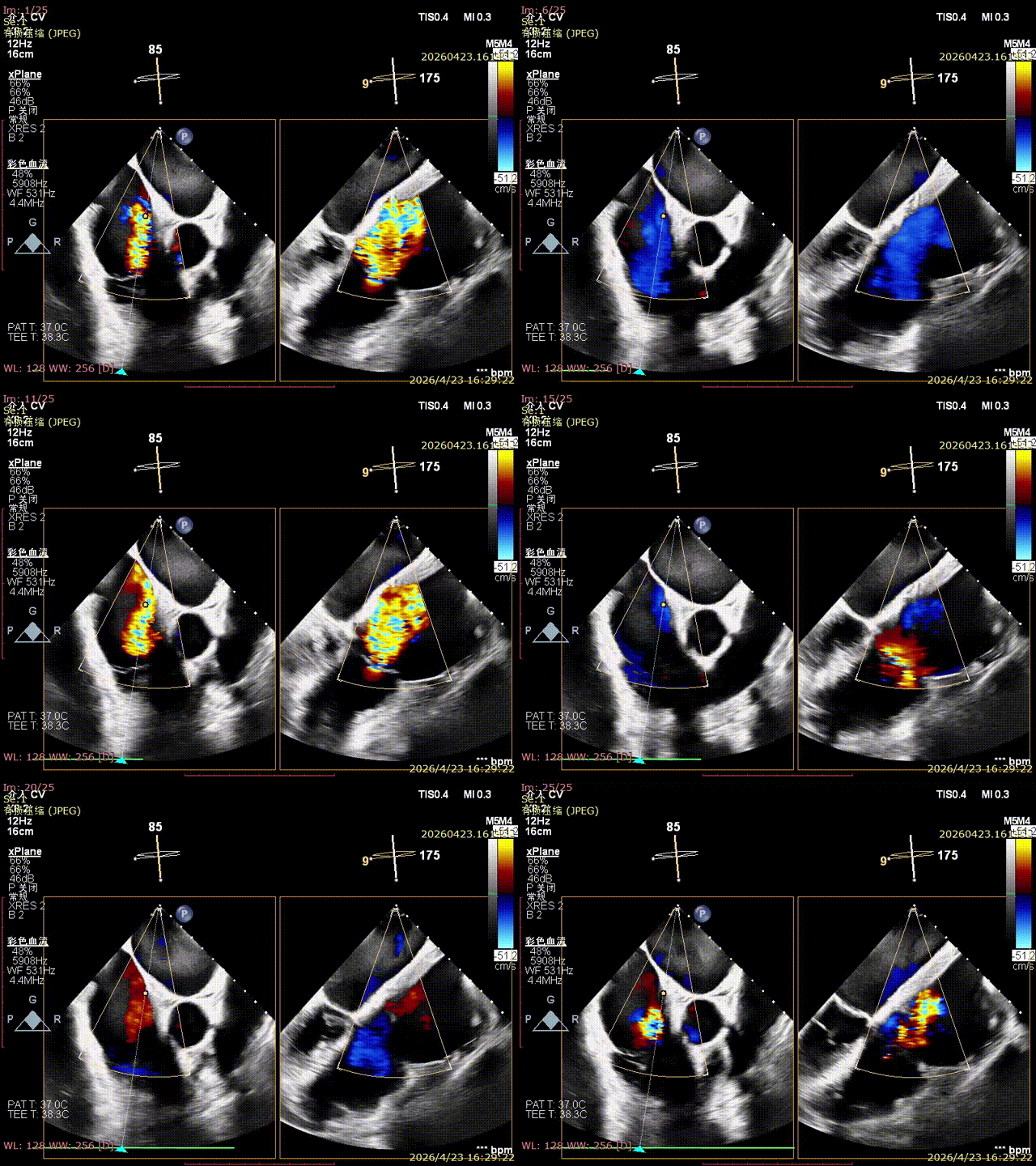
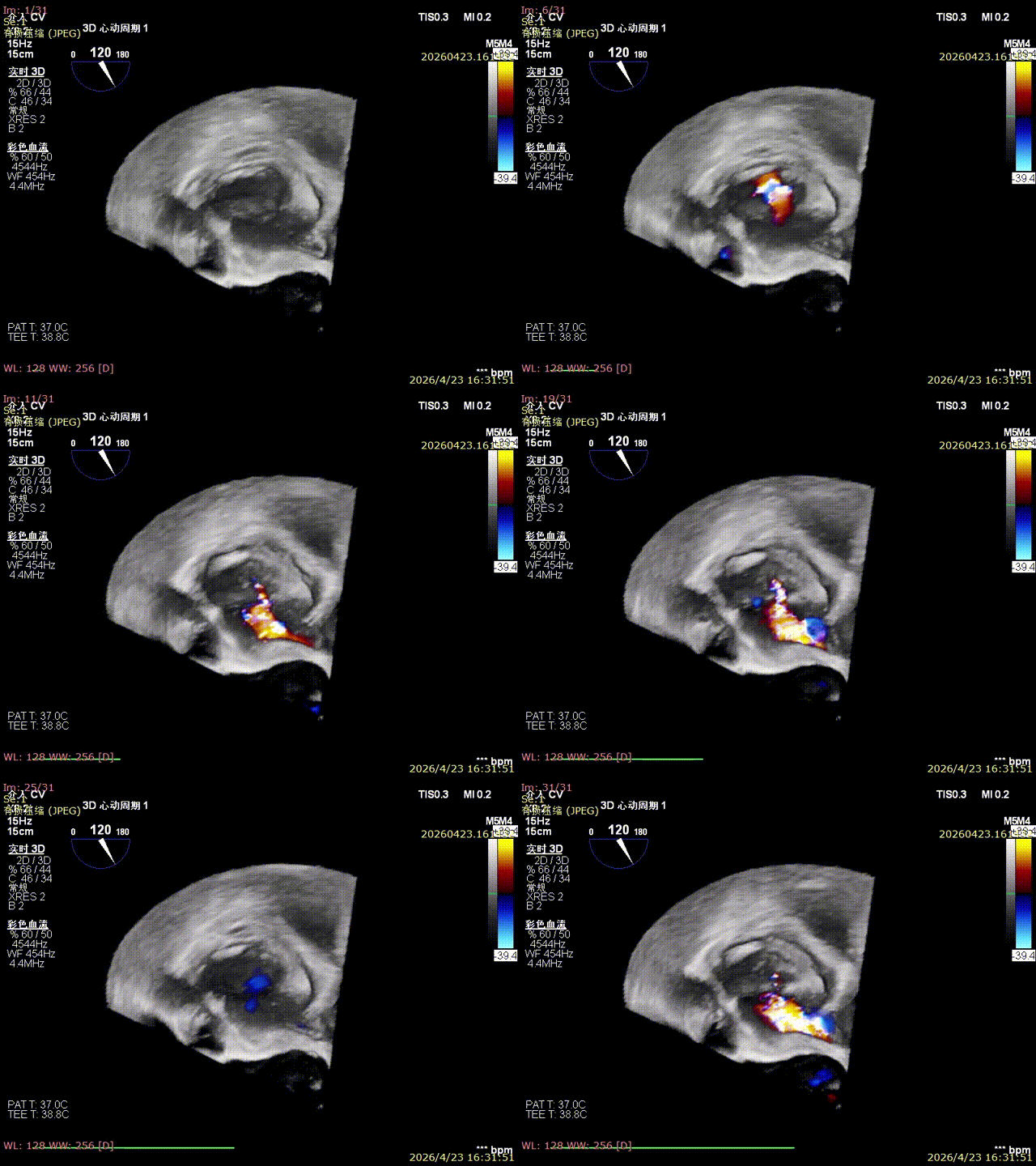
Baseline Data
2. Ultrasound‑guided positioning of large‑bore sheath and delivery system
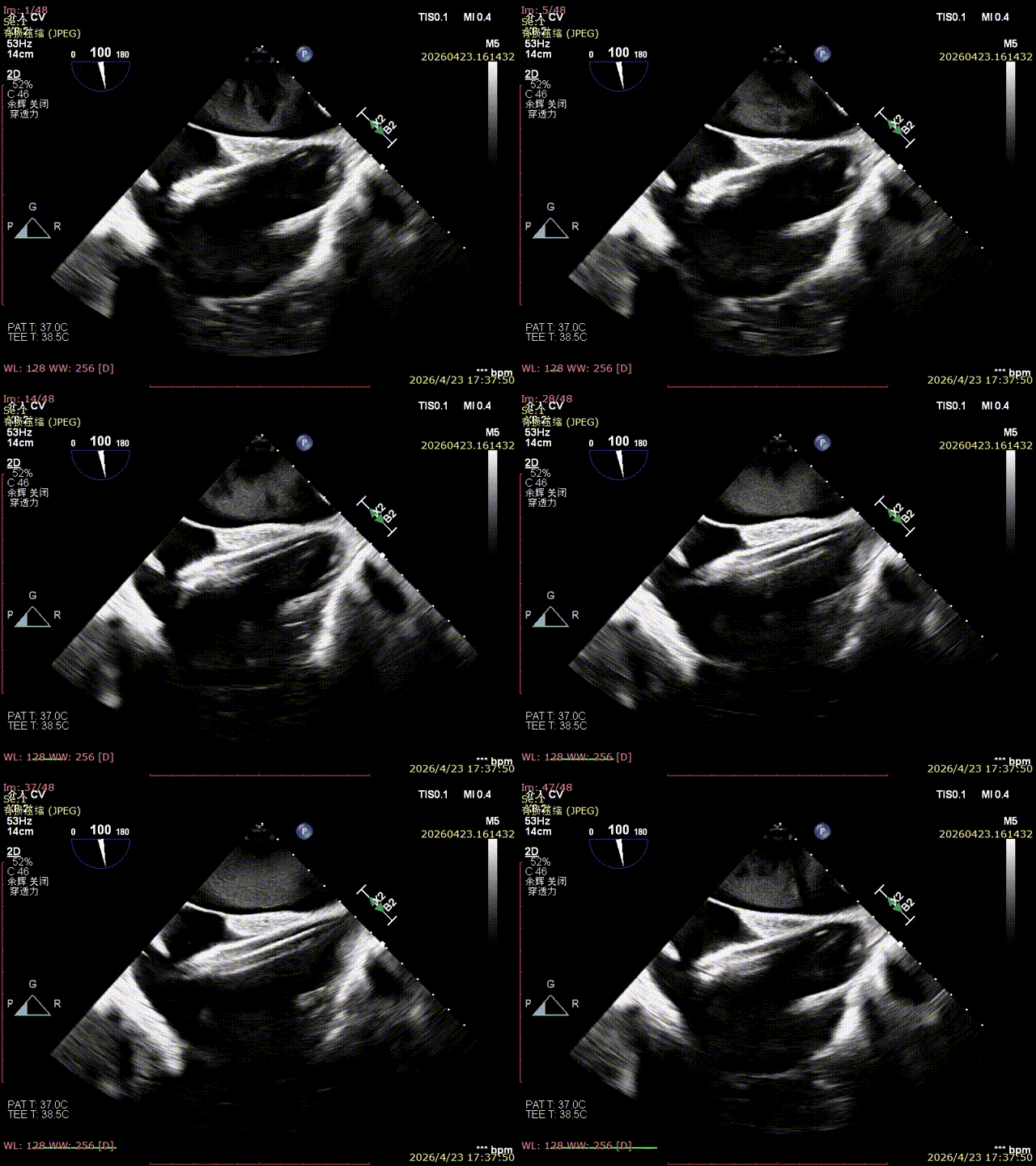
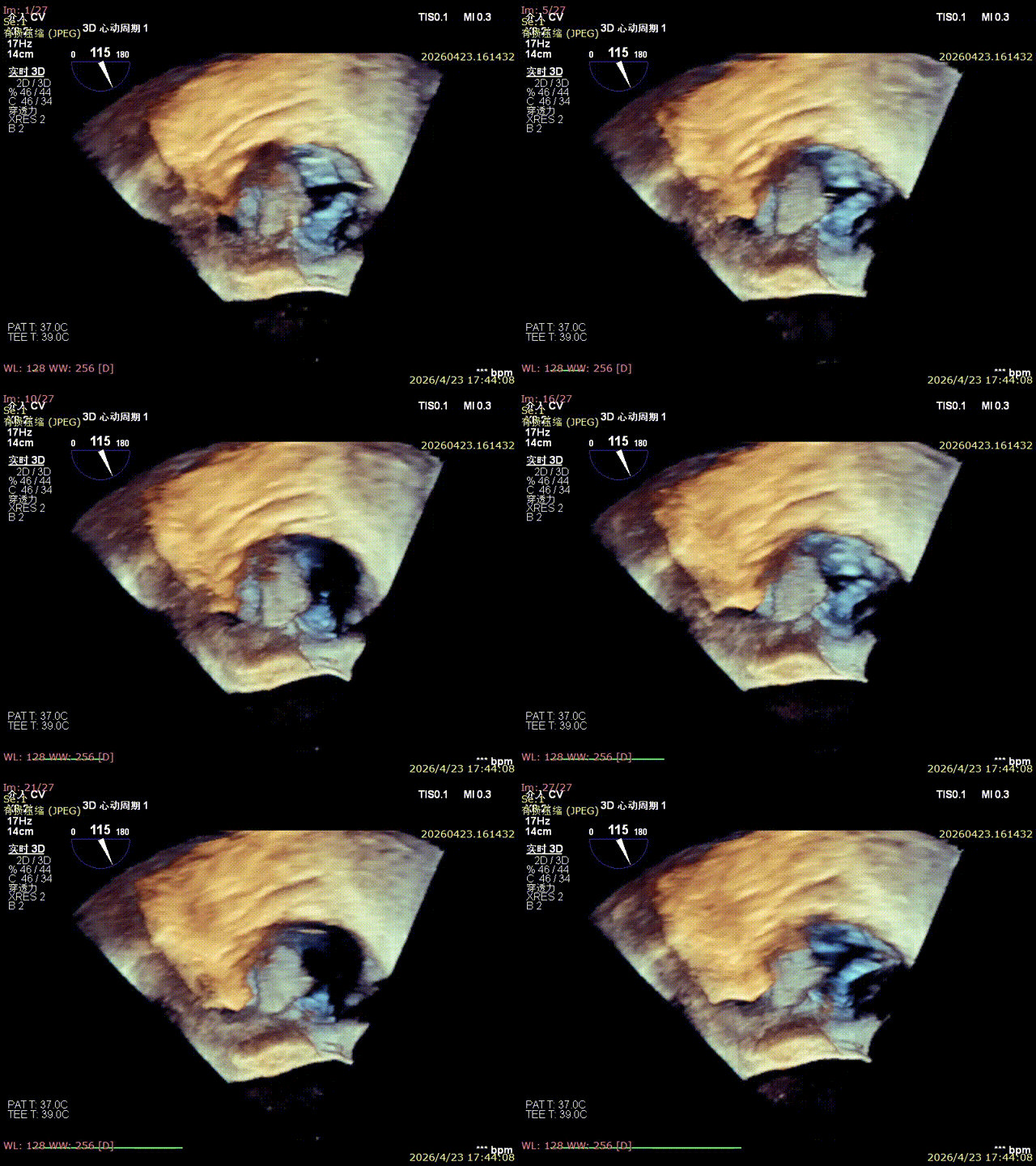
Ultrasound‑guided placement of large‑bore sheath
Ultrasound‑guided positioning of the delivery system
3. The steerable delivery catheter is rotated to target the lesion, and anchoring screws are deployed under 3D MPR plane guidance.
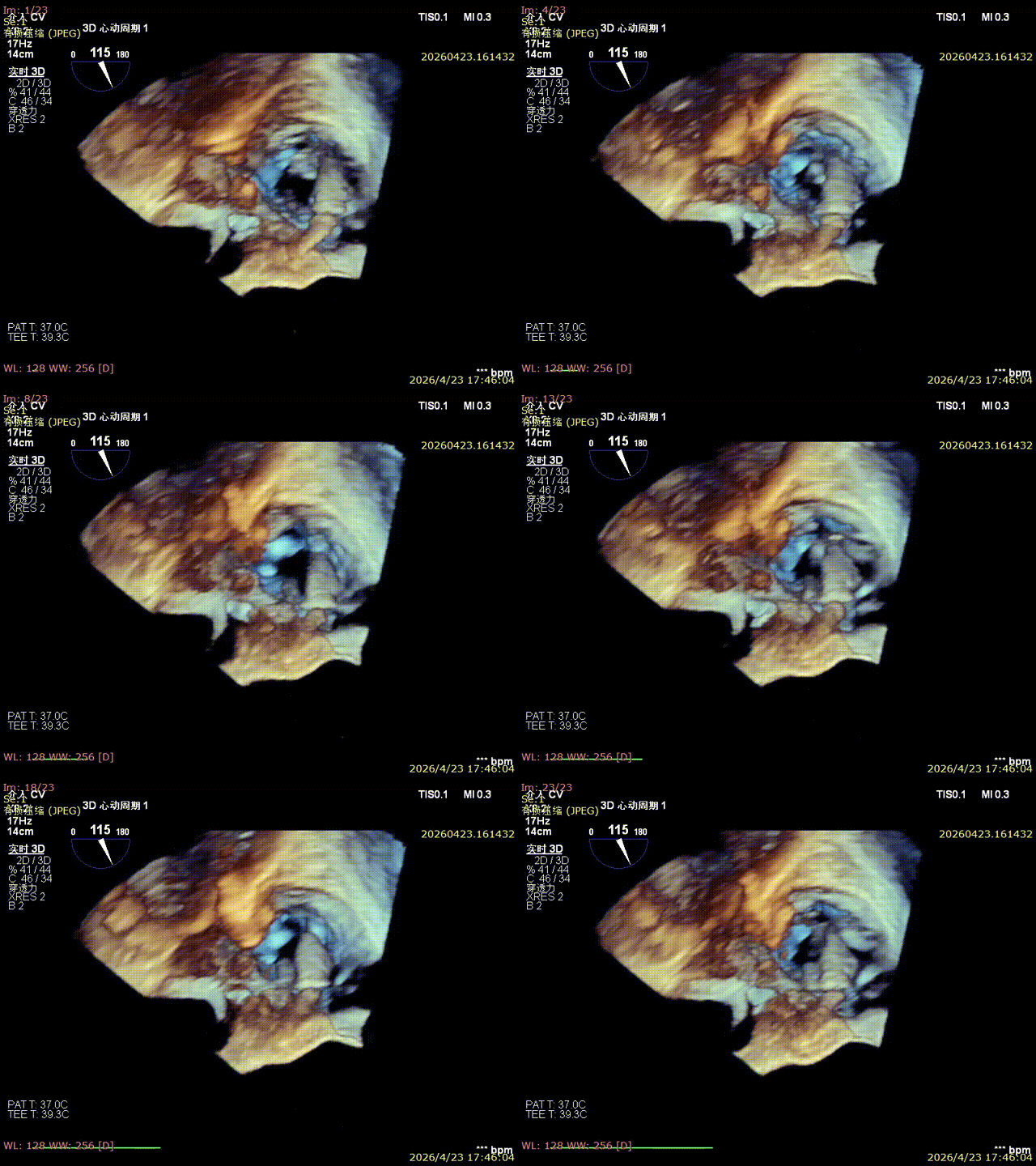
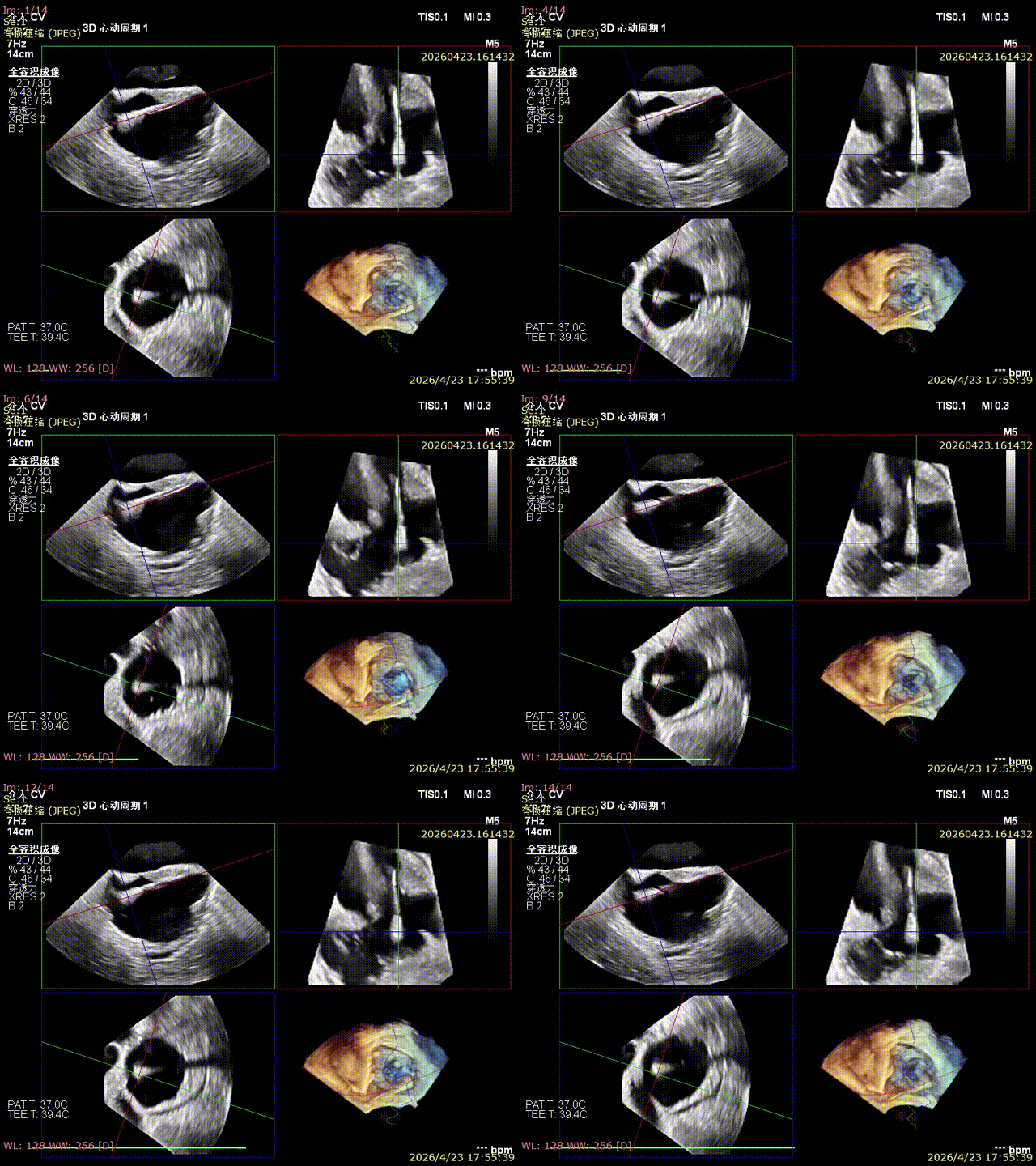
Rotate and steer the catheter to approach the target site
Deploy anchoring screws under 3D‑MPR guidance
4. After adjusting the orientation, the gripper arms land and the clip is closed.
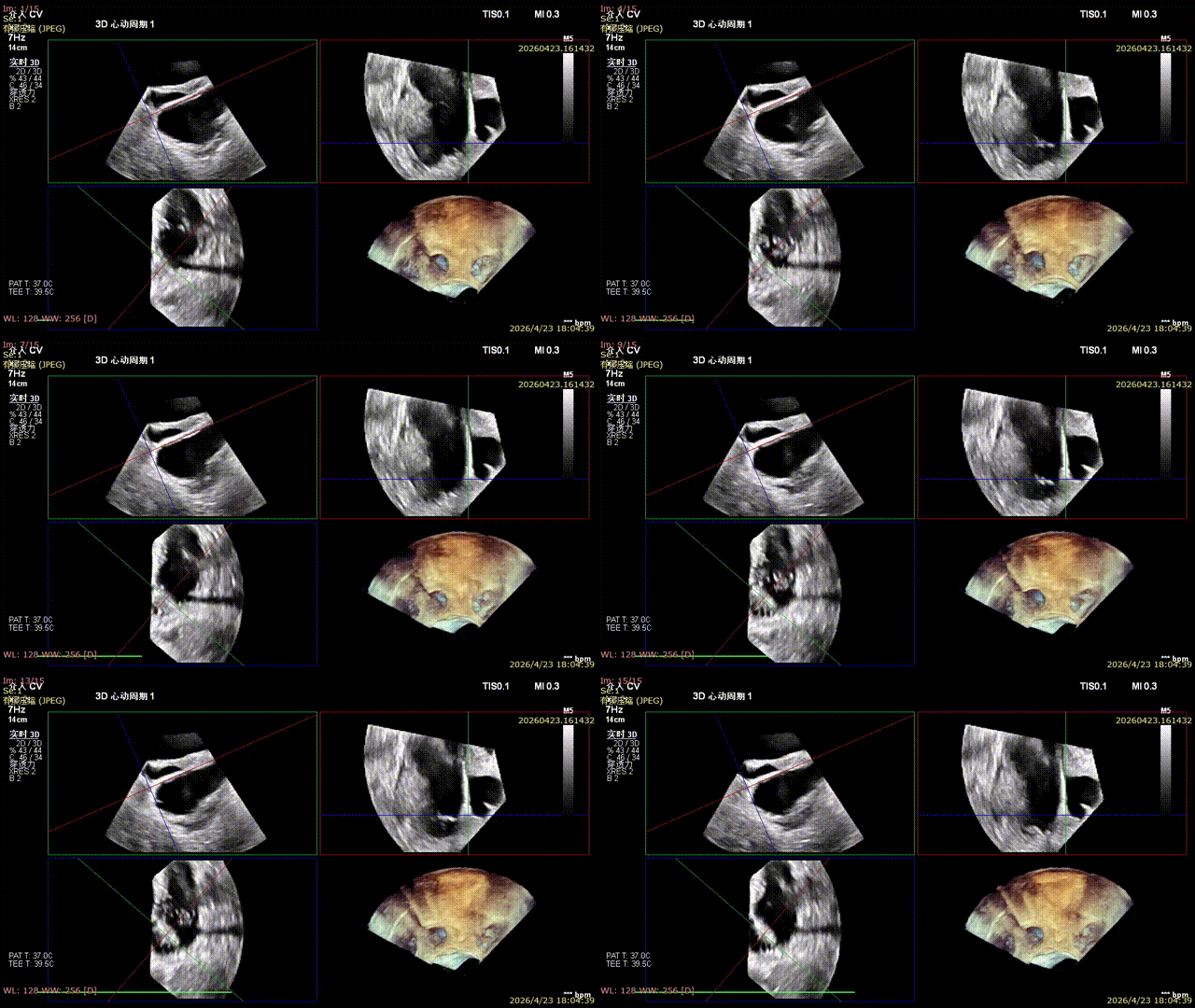
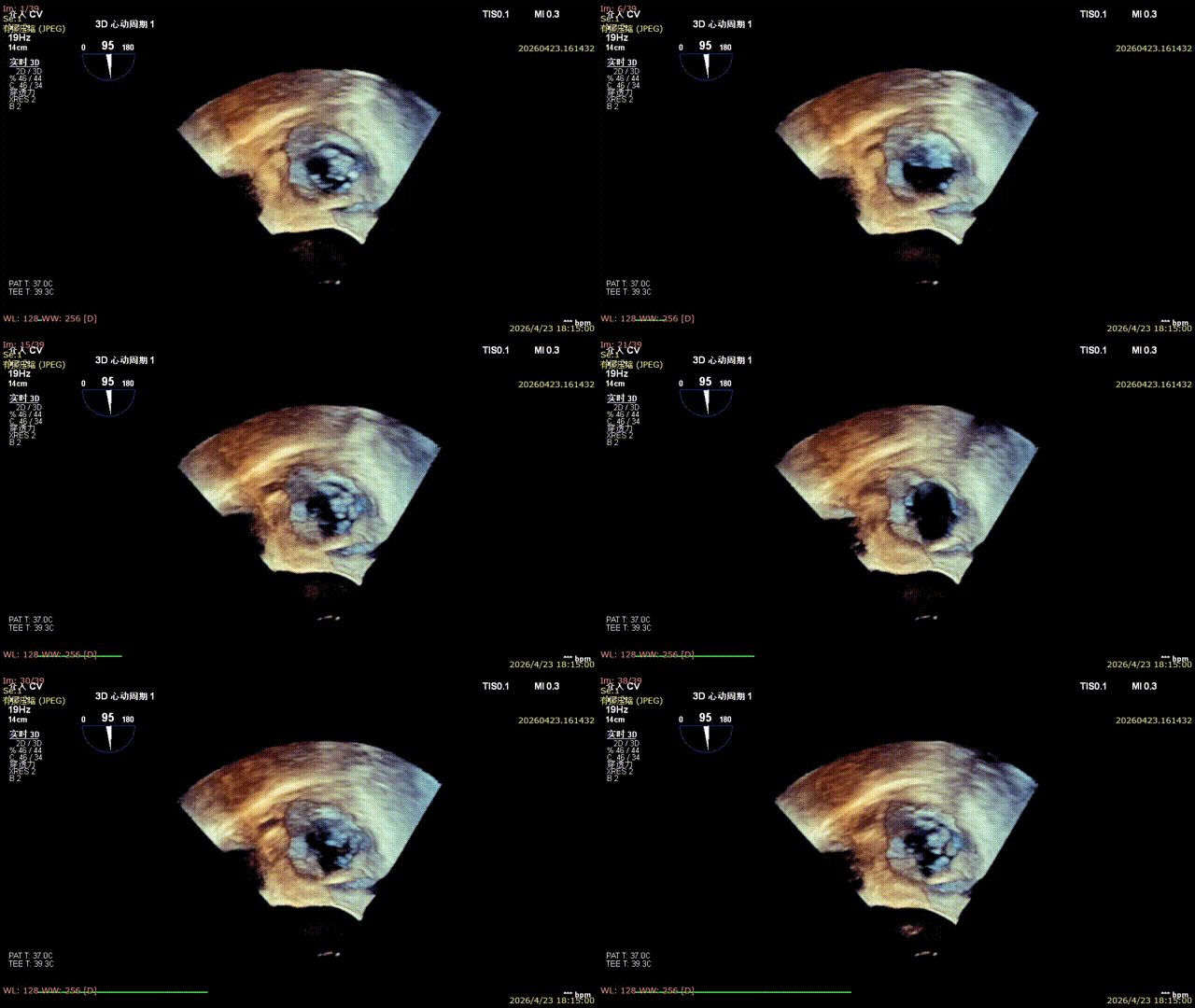
Adjust the clip arms to approximate the annulus.
Close the clip
5. The second clip is deployed in the same manner, with unobstructed blood flow in the RCA.
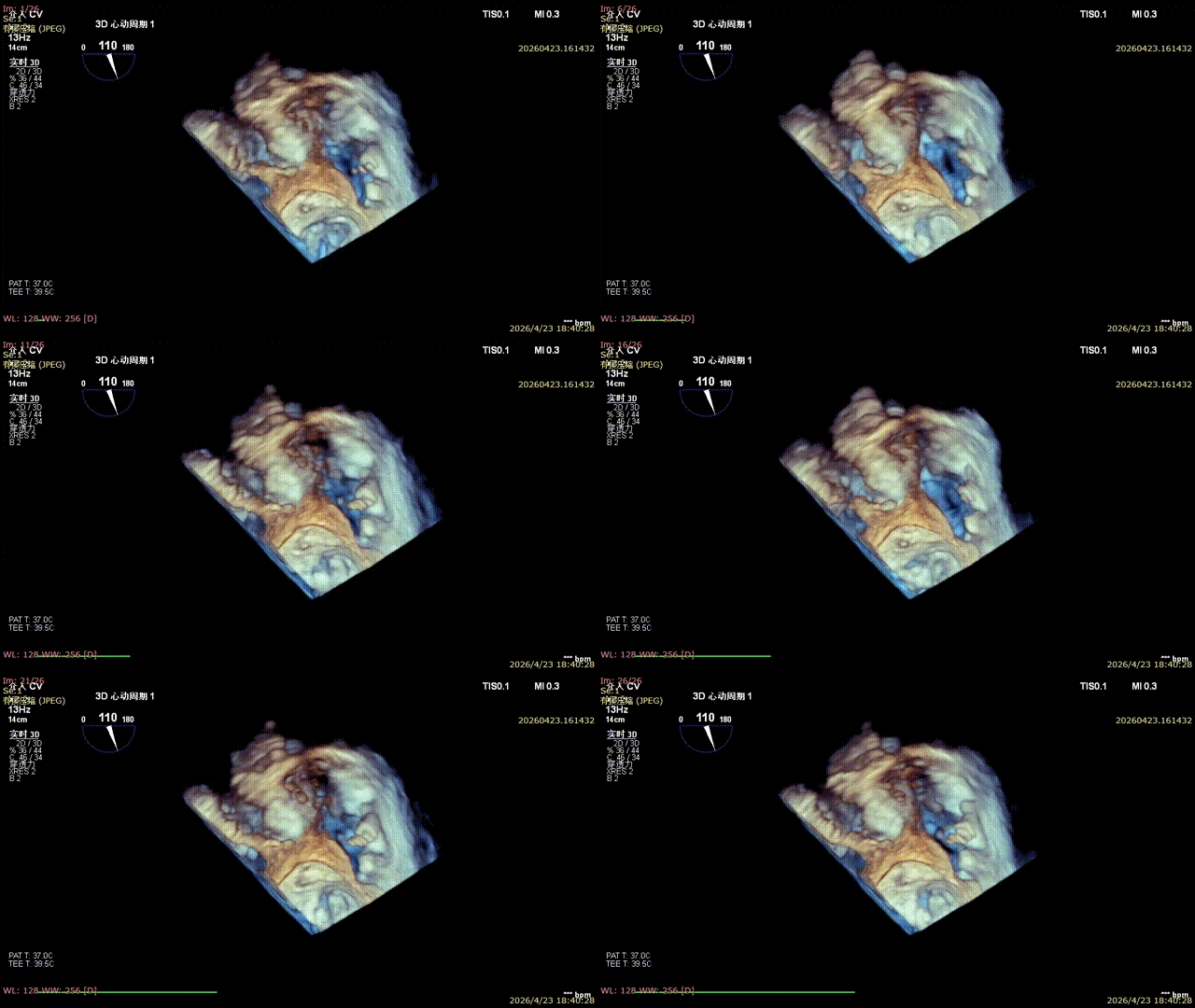
Implantation of the second clip
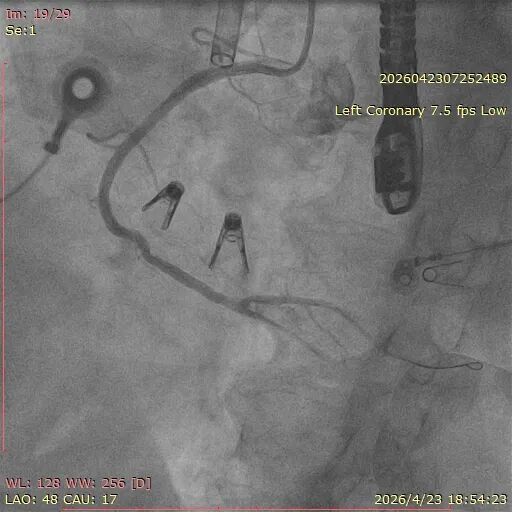
Surgical Outcome Assessment
Regurgitation Assessment: Regurgitation decreased from 4+ pre‑operatively to 2+.
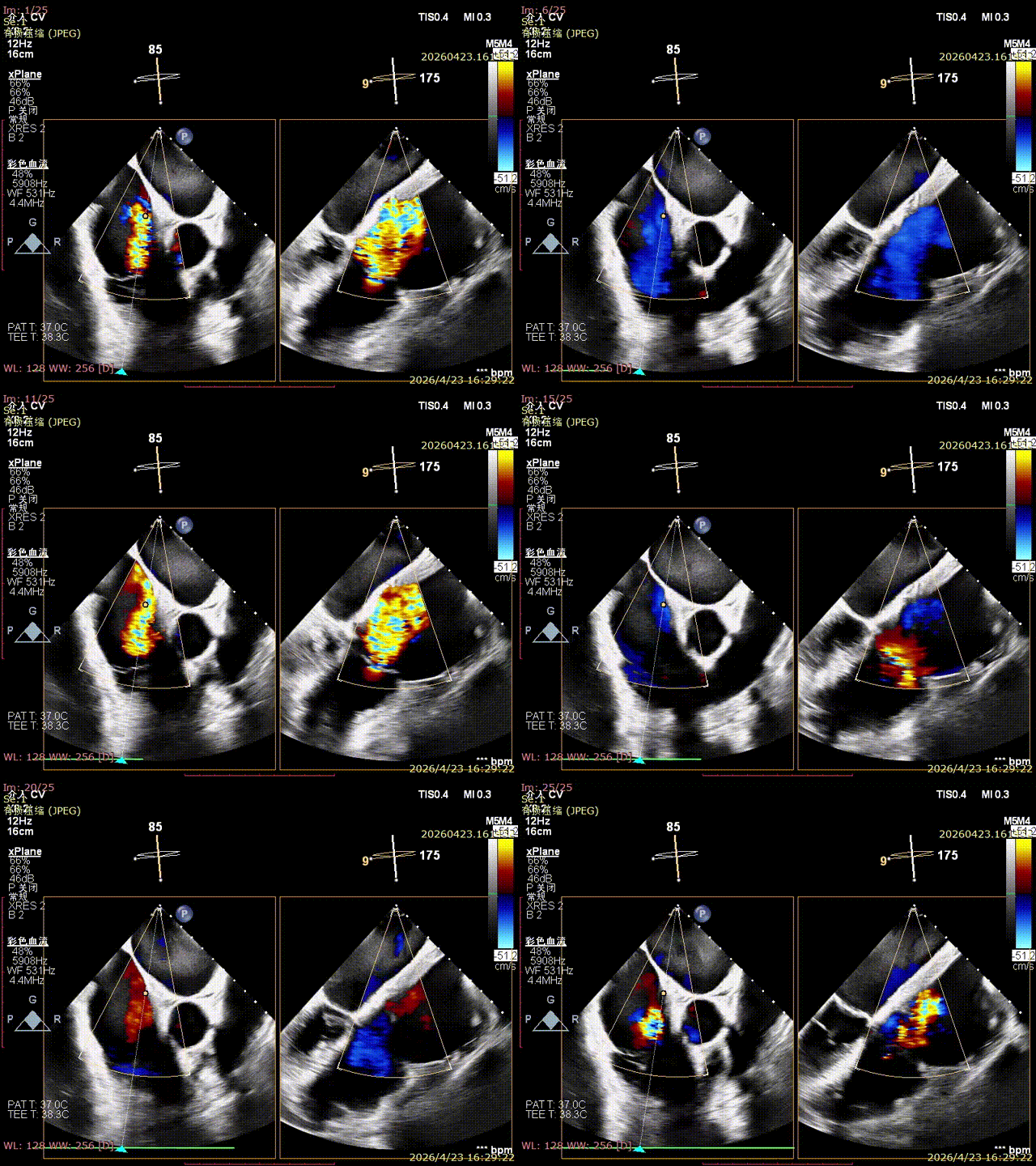
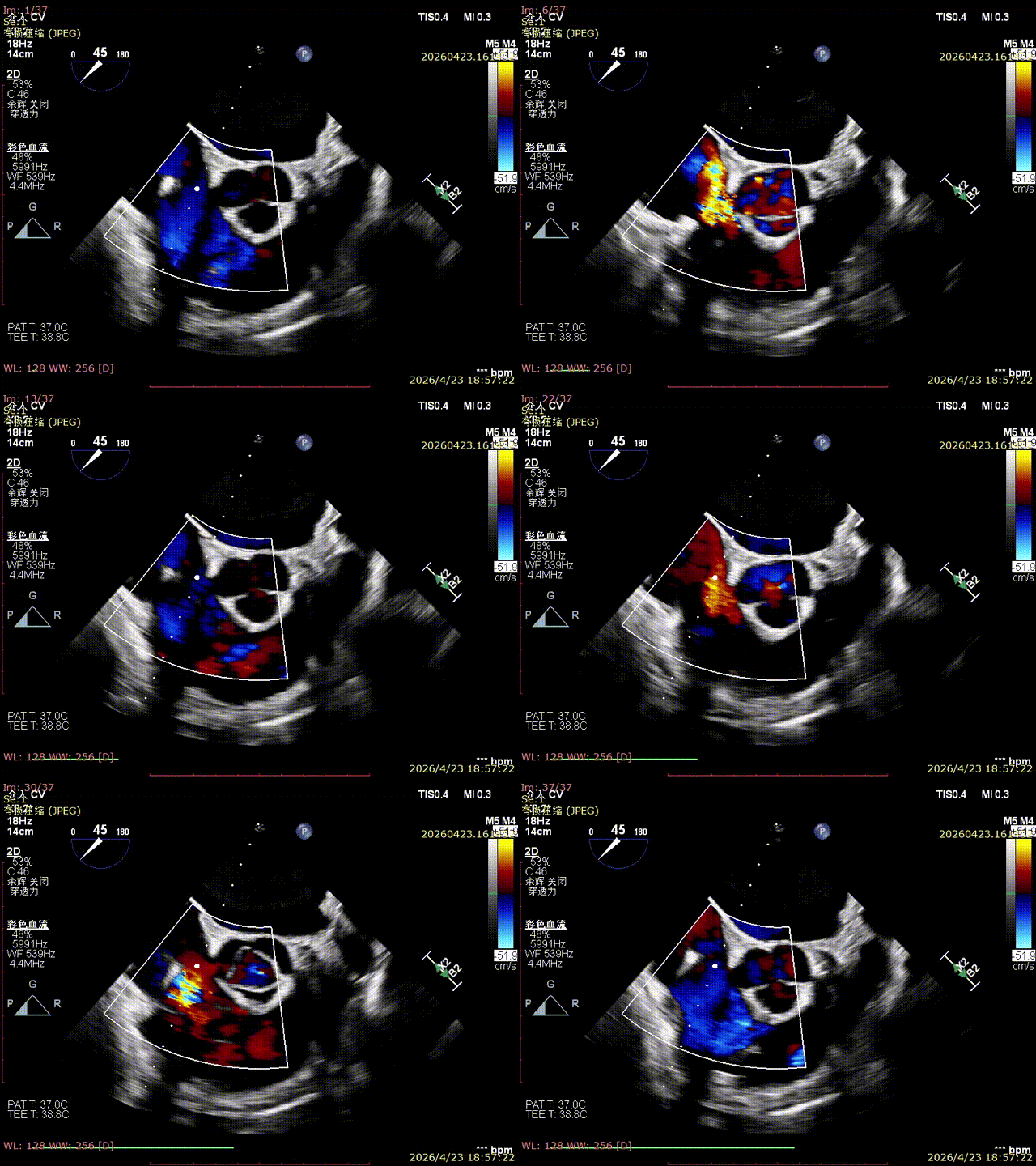
Pre‑operative Regurgitation
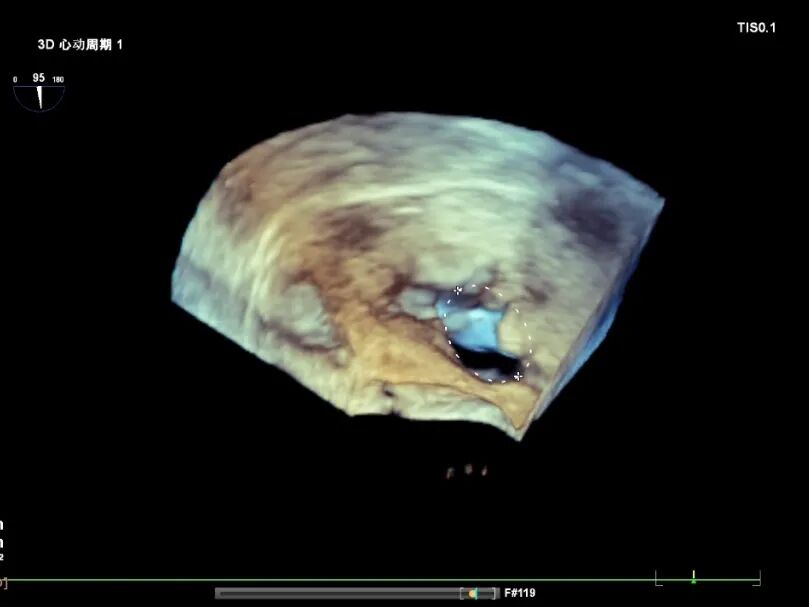
Post‑operative Regurgitation
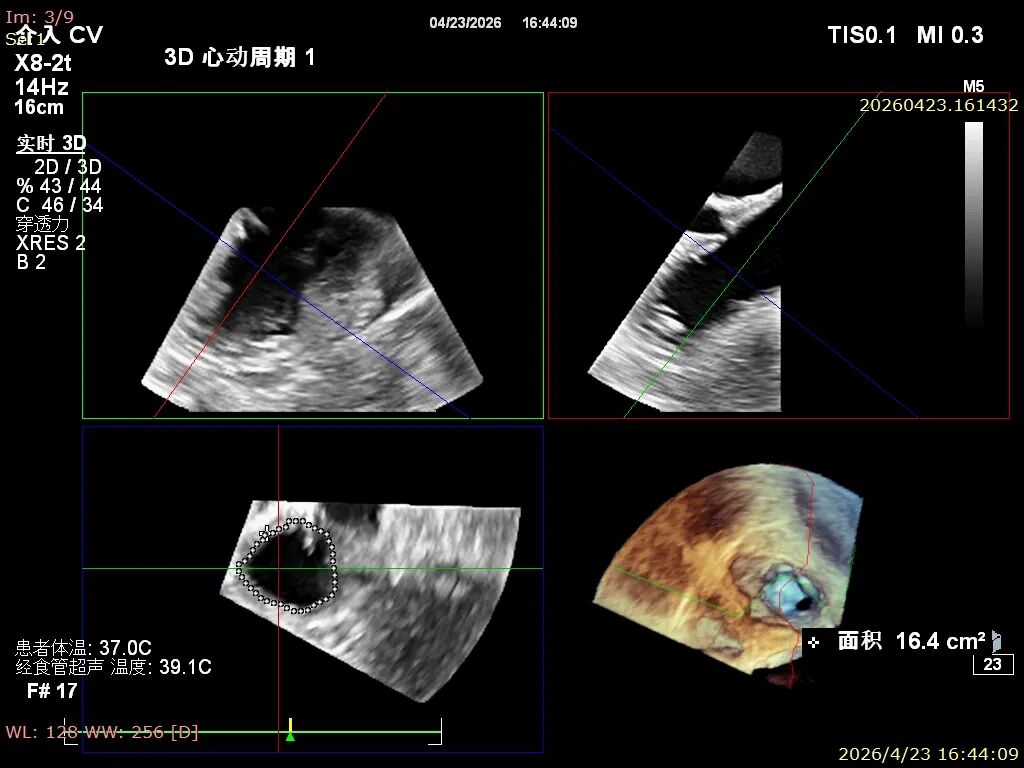
Annular Reduction Effect: Tricuspid annulus area decreased from 16.4 cm² to 6.8 cm², with a reduction rate of 58.5%.
Summary
he successful minimally invasive interventional surgery for severe tricuspid regurgitation marks a major technical breakthrough for the Department of Cardiology at Kunshan Hospital of Traditional Chinese Medicine in the diagnosis and treatment of complex combined cardiovascular diseases.The patient presented with a complicated condition complicated by multiple underlying diseases including persistent atrial fibrillation, heart failure and hypertension. These co‑morbidities interacted with one another and continuously increased cardiac load. Conventional medical therapy only relieved symptoms rather than addressing the root cause, while open‑chest cardiac surgery carried extremely high risks, making this a typical high‑risk and difficult clinical case.Through precise condition assessment and individualized minimally invasive treatment planning, the cardiology team adopted the K‑Clip® minimally invasive tricuspid annuloplasty technique. Without thoracotomy or cardiopulmonary bypass, severe tricuspid regurgitation was precisely corrected, targeting the core lesion fundamentally. This effectively halted progressive deterioration of cardiac function, broke the vicious cycle caused by overlapping disorders, and significantly improved the patient’s cardiac performance and overall physical status.Moving forward, adhering to the patient‑centered service philosophy, the hospital will keep track of cutting‑edge cardiovascular treatment technologies worldwide, pursue continuous technical innovation and academic research, further enhance clinical capabilities and service quality of the department. It aims to enable more residents in county‑level areas to access high‑quality, efficient and minimally invasive medical care locally, safeguarding the cardiovascular health of the regional population.
Expert Profile

Pan Wen
Kunshan Hospital of Traditional Chinese Medicine

Xu Haixiang
Kunshan Hospital of Traditional Chinese Medicine

Chang Cheng
Kunshan Hospital of Traditional Chinese Medicine
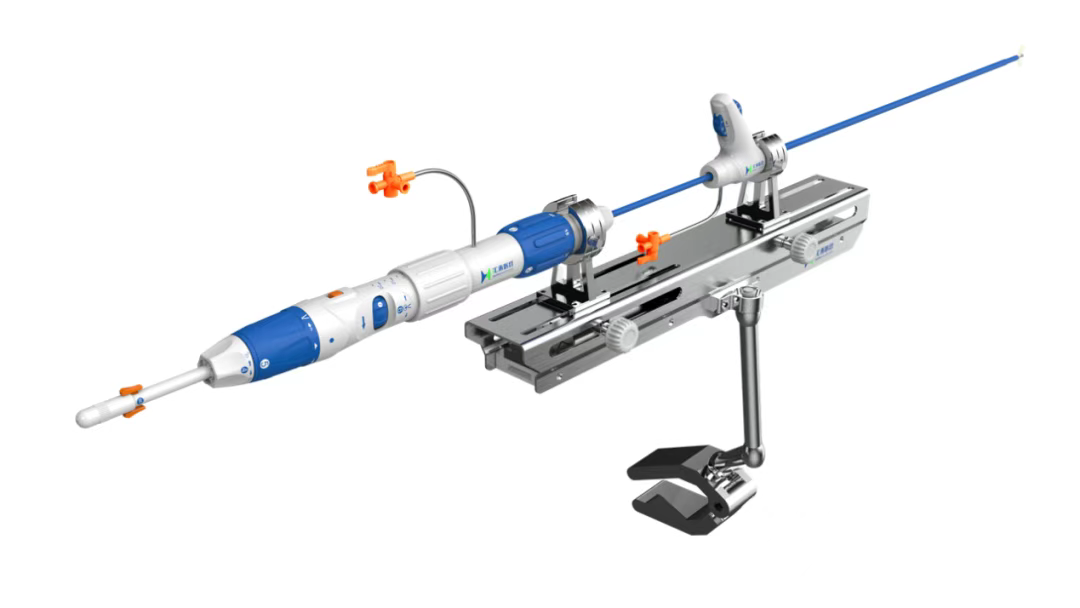
K-Clip® Transcatheter Tricuspid Annuloplasty System:
1.Vascular puncture approach with minimal trauma and an 18Fr outer diameter sheath.
2.Simple operation, all procedures completed at the atrial surface, with a short learning curve.
3.All procedural steps are reversible before detachment, enabling controllable surgical outcomes.
4.Physiological annuloplasty technology that preserves the native valve leaflets without damage.